

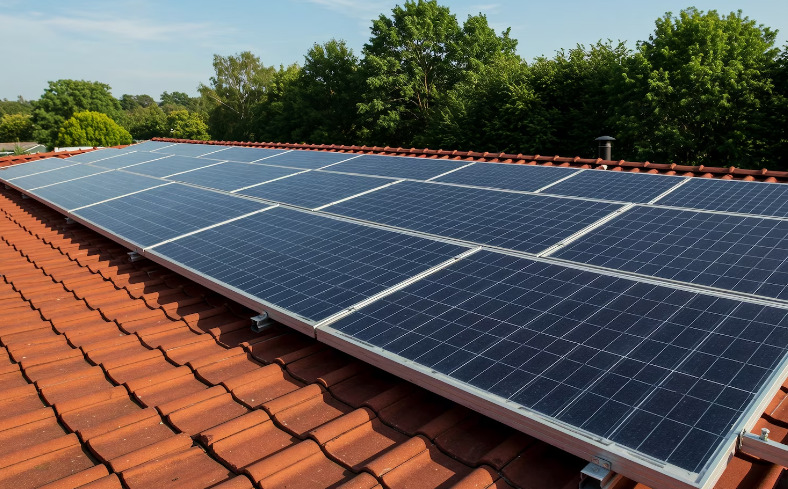
Electricity expenses continue to influence how homeowners and businesses manage their long-term energy costs. Rooftop solar has become a practical way to reduce reliance on conventional electricity while making better use of renewable energy. With several system configurations available, selecting the right option requires understanding how each one performs under different conditions and how it supports daily power requirements.
A hybrid solar system has gained attention because it combines solar generation, battery storage, and grid connectivity within a single setup. While this configuration typically involves a higher initial investment than a conventional on-grid system, the additional features may offer long-term benefits for many users.
Let’s understand the differences, compare the advantages, and see when investing in a hybrid solar system is worth the extra cost.
Understanding the Difference Between a Hybrid and a On-grid Solar System
A normal on-grid solar system converts sunlight into electricity and supplies power directly to connected appliances. Any excess electricity generated during the day is generally exported to the utility grid through net metering, while electricity is imported from the grid whenever solar generation is insufficient.
A hybrid solar system follows the same principle but includes battery storage and a hybrid inverter. During the day, it powers appliances, charges the battery, and can export surplus electricity to the grid. When solar production drops or a power outage occurs, the stored energy supplies electricity to selected loads. This combination allows users to utilise solar energy more effectively while maintaining access to backup power.
5 Key Ways a Hybrid Solar System Can Be Worth the Extra Cost
While the higher upfront investment may seem significant, the added capabilities of a hybrid solar system can provide long-term value in the right situations.
Here are five key ways it differs from a conventional on-grid solar system and why many homeowners and businesses consider the additional cost worthwhile.
- Delivers Reliable Backup During Power Outages
One of the biggest advantages of a hybrid solar system is its ability to provide electricity during grid failures. Unlike a standard on-grid system, which automatically shuts down during an outage for safety reasons, a hybrid setup continues supplying stored power to essential appliances.
This feature is particularly valuable for homes, offices, clinics, and small businesses that rely on uninterrupted electricity for daily operations. Lights, internet routers, refrigerators, fans, and other critical equipment can continue functioning until grid power returns.
- Improves Solar Energy Utilisation
Solar panels often generate their highest output during the middle of the day, when household electricity consumption may be relatively low. A conventional system exports unused electricity to the grid, depending on applicable net metering regulations.
A hybrid solar system stores excess daytime generation in batteries instead. The stored electricity can then be used during the evening or early morning when solar panels are not producing power. This improves self-consumption and allows users to utilise a larger share of the electricity they generate.
- Helps Reduce Dependence on Grid Electricity
Battery storage allows users to consume stored solar energy after sunset instead of drawing electricity entirely from the utility network. Over time, this can reduce dependence on grid electricity, particularly for households with higher evening consumption.
For areas experiencing increasing electricity tariffs or occasional supply disruptions, this added flexibility supports better energy management while improving overall savings over the system’s lifespan.
- Supports Better Long-term Energy Planning
Electricity requirements rarely remain the same over the life of a property. Additional appliances, home offices, electric vehicles, or business expansion can all increase energy demand.
Many hybrid solar system solutions can be configured to accommodate battery upgrades or additional solar capacity, depending on the installation. Planning ahead helps minimise extensive modifications if electricity needs increase later.
- Offers Better Value for Homes with Frequent Power Cuts
The additional investment often delivers the greatest value in locations where electricity interruptions occur regularly. Instead of relying entirely on separate backup systems, stored solar energy can continue powering essential appliances during outages while reducing electricity purchases from the grid.
For properties with highly reliable electricity and minimal outages, a conventional on-grid system may still be the better financial choice.
Government Incentives Can Help Reduce Installation Costs
Government initiatives have made rooftop solar installations more accessible for eligible households across India. Under the PM Surya Ghar: Muft Bijli Yojana, eligible homeowners can receive a subsidy of up to ₹78,000 for installing rooftop solar systems, subject to the scheme’s prevailing terms, eligibility criteria, and approved system capacity. This financial assistance can help reduce the upfront cost of installing a solar solution and improve the overall return on investment.
You can also check with your respective State Nodal Agency or the official PM Surya Ghar portal to learn about any additional state-specific subsidies or incentives that may be available in your region.
Choose the Right Hybrid Solar System for Long-Term Value
A hybrid solar system can be a worthwhile investment for homeowners and businesses seeking reliable backup power, improved energy utilisation, and greater independence from grid electricity. However, achieving these benefits depends on selecting a system that matches your energy consumption, backup requirements, and electricity needs.
Rather than focusing solely on the initial purchase price, evaluate the quality of the solar panels, hybrid inverter, battery technology, safety features, warranties, installation standards, and after-sales support. Working with experienced energy solution providers such as Eastman Auto & Power Limited can help ensure your solar installation is designed for dependable performance and long-term reliability.
A well-planned system supported by quality components and professional expertise can deliver consistent value for years to come.