

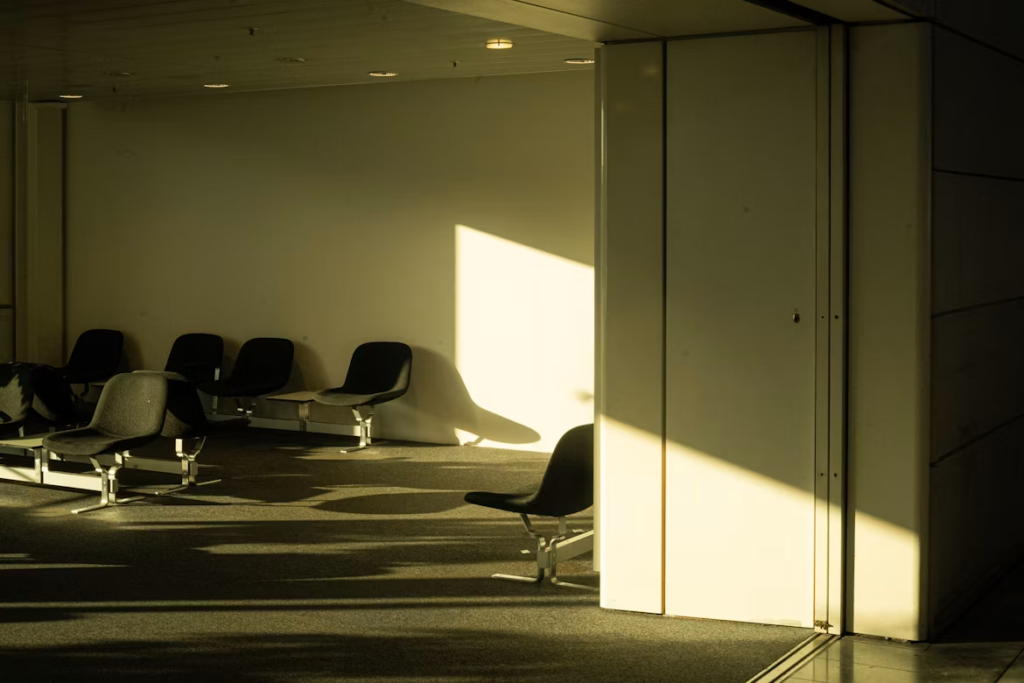
Shared spaces are tough on furniture.
Airport lounges, hospital receptions, university foyers – They all serve hundreds (sometimes thousands) of people each week. And each of those people wants a seat that is comfortable, clean and easy to locate.
Here’s the problem:
Regular chairs just aren’t designed to handle that kind of use. They rock. They rip. They get pushed off course after day one.
Which is why businesses are flocking to beam seating with tables for their collaborative spaces.
Beam seating with tables allows you to have a permanent, neat line of seating exactly where you want it. It also provides a spot for patrons to set down coffee, phones, laptops, etc without taking up additional seating.
However, what’s the best way to find a solution that successfully balances durability, price point and comfort?
Let’s break it all down.
Here’s what’s covered:
- Why Beam Seating Works So Well
- The Durability Factor
- Balancing Cost With Long-Term Value
- Why Comfort Still Matters
- Choosing The Right Setup
Why Beam Seating Works So Well
Beam seating is exactly what it sounds like…
Row of chairs bolted onto an individual steel beam underneath. Unit is assembled as one piece, eliminating any chance of chairs becoming out of alignment or being pulled across the room.
That’s a big deal in shared spaces.
Beam frames also speed cleaning since staff can sweep/mop right under the entire row without having to move chairs. That’s a small efficiency that really adds up when your team is cleaning the same area several times per day.
When furnishing a Healthcare waiting area your first thought will probably be standard beam seating as it is built to withstand continual use without falling apart or looking worn.
What happens when you throw tables into the equation? Guests have somewhere to stash their stuff, get work done or enjoy a beverage with their +1.
The Durability Factor — What Really Matters
Here’s where things get interesting…
Commercial furniture gets used hard. Buy the wrong pieces and your maintenance budget will reflect it sooner than you expect.
Task seating is expected to last anywhere 7 to 10 years under normal everyday use in a commercial environment. Upholstered lounge seating will frequently last half that long (5 to 8 years) in heavy traffic areas. Beam seating – particularly when constructed for long-term communal use – can far exceed those expectations with proper specification.
So what should you actually look for?
- Steel frames with powder-coated finishes to resist scratches
- Commercial-grade upholstery with a high double-rub rating
- Replaceable seat pads so worn cushions don’t force a full swap
- Anti-tamper fixings to stop wear from constant fidgeting
- Cleanable surfaces that hold up to daily wipe-downs
The key is to match the specification of the build to the level of seating abuse that will actually take place. A sedate corporate lobby will not experience the same kind of wear as an active A&E waiting area.
Balancing Cost With Long-Term Value
Cheap seating is tempting.
You save money today… Only to spend twice as much repairing/replacing it two years later.
That’s not just talk. It’s backed up by statistics. Basic chair maintenance can range from $50-$150 per chair, and lobbies account for the most common cleanings/repairs of any area in a commercial building. Factor in an entire row of seating and you have a recipe for how “inexpensive” can become expendable.
Most facilities managers only work out the true cost after the second or third replacement cycle. By then, the “savings” have already been swallowed up by callouts, downtime, extra cleaning shifts and a very unhappy finance team who thought they had made the smart call for the whole year ahead.
Beam seating with tables nets you a higher ROI throughout its lifetime due to several reasons:
- Fewer moving parts to fail
- Frames that don’t loosen or wobble
- Tables that carry their own weight instead of dragging the chairs down
- One connected unit to clean instead of ten separate items
The sticker price is greater, yes. However, the cost of ownership is often far less when you consider maintenance, replacements, and downtime.
That’s the real math businesses should be looking at.
Why Comfort Still Matters
Don’t ignore comfort just because you’re saving money…
Guests recall how a space made them feel. Moreover, in most communal spaces – especially healthcare – comfort greatly influences visitors’ overall impression.
Research has indicated that among factors that influence patients’ anxiety or calmness during waiting, design of the waiting room plays a significant role. Inappropriate chairs that are hard, too low or closely placed together can aggravate any situation.
So what does comfortable beam seating actually look like?
- Contoured seat pans that support the lower back
- Adequate padding density (higher is better)
- Enough space between seats for personal room
- Armrests where possible for easier standing
- Integrated tables at the right height
Cutting corners on comfort will eventually come back to bite you. You’ll get complaints, bad reviews and an atmosphere that reeks of bus stop.
Choosing The Right Setup For Your Space
Shared spaces are not created equal. Accordingly your design should fit the particular context you’re dealing with.
Ask yourself these questions:
- How many people will use the seating on a busy day?
- Are people waiting for a few minutes… or a few hours?
- Do users need somewhere to place drinks, bags, or work items?
- What’s the cleaning routine going to look like?
- Will the seating need to be reconfigured over time?
When users know they’ll be queuing for ages, built-in tables are pretty much mandatory. If hygiene is top of your agenda, wipe-clean vinyl always wins over cloth upholstery. And if there’s any chance of your layout changing in future, go for modular beam systems with stackable seats – you’ll thank yourself later.
Simple is best. The best workstations fit their pattern of use every day.
Final Thoughts
Beam seating with tables allows you to have your business fix three problems at once. Say umm
- Durable enough to survive years of heavy use
- Cost-effective when you look at the full lifespan
- Comfortable enough to keep visitors happy
Spec’ing right for your application is crucial. Don’t over-spec for a low-traffic lobby. Don’t under-spec for a high-volume waiting room. And don’t skimp on comfort to save a couple bucks… because those savings never really pan out.
Get the balance right and your seating will pay for itself many times over.