

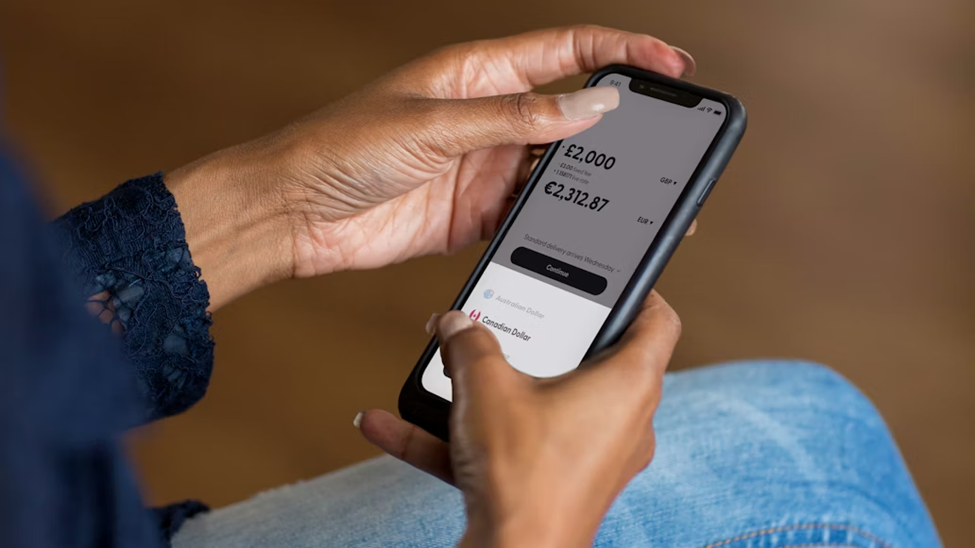
Looking for an easy way to send money overseas without paying outrageous fees or waiting days for delivery?
Millions send money abroad every month. And each and every one of them encounter the same problem:
Do you pay more to move your money faster?
Or do you slow things down to keep more of it?
This is the hidden battle that every foreign currency transaction fights – and losing battles cost you time and money. The good news is that winning is easier than you think.
The first step to understanding foreign currency transfer fees is becoming aware of your choices. Seeing providers side-by-side – take for example this paysend vs wise fees comparison – can be quite revealing. Fee and speed differences are substantial. Some providers will offer super fast, near instantaneous transfers for a flat fee. Others may take days, but charge next to nothing. The best option depends on your needs.
Here’s what you need to know…
What’s Inside:
- Why Foreign Currency Transfer Costs Vary So Much
- What Transfer Speed Actually Means for You
- When Speed Matters Most
- When Cost Should Win
- How To Strike the Right Balance
Why Foreign Currency Transfer Costs Vary So Much
Not all providers price their transfers the same way. Not even close.
Banks charge an average of 9.50% on a $200 transfer. Digital providers are only 3.65% on average. That’s a huge gap most people aren’t expecting.
So what drives that gap?
It comes down to a few things:
- Transfer fees: A flat charge per transaction, regardless of amount.
- Exchange rate margins: The difference between mid-market rate and the rate you receive.
- Intermediary bank fees: Hidden charges when funds pass through multiple banks.
Legacy banks charge the highest fees out of the three. Digital-first players charge less and operate on slimmer margins — which explains the gap.
The average cost to send $200 worldwide was 6.49% in Q1 2025, according to World Bank. That’s over $12 paid in fees for every $200 sent.
That figure stings. But it shows exactly why choosing the right provider matters.
What Transfer Speed Actually Means for You
Speed is not just a nice-to-have. For many transfers, it’s everything.
Ok… so foreign transfers vary greatly in speed. Your method of choice is by far the determining factor.
A quick breakdown:
- SWIFT (bank wire): ~1–5 business days, often includes intermediary banks that cause additional delays.
- SEPA (if within Europe): Takes typically 1 business day – quick and inexpensive when transferring euros.
- Digital providers: Transfers typically take 1–3 business days, however there are some options that offer same-day transfers or instant transfers.
The currency pair makes a difference as well. Major pairs like USD to EUR will move quicker than exotic pairs — which can take upwards of 14 days sometimes.
Then you have compliance checks. All transfers are subjected to identity verification and anti-money laundering screening. These are necessary for safety reasons – but they do take time, particularly for larger amounts or initial transfers.
When Speed Matters Most
There are situations where getting money there fast is the only thing that matters.
Emergency situations are first. If you need to send money to a loved one overseas as soon as possible, you can’t wait three to five business days. When time is of the essence, spending a little extra to have the funds arrive the same day is totally worth it.
Business payments are another example. You don’t want to miss paying a supplier because your transfer was too slow and risk damaging the relationship – or incur a late fee that’s more expensive than the cost of the transfer fee itself.
Situations where speed should win:
- Emergency personal transfers
- Time-sensitive business payments
- Covering a deadline (rent, school fees, a booking)
- Sending money before a weekend or bank holiday closes
Here cost is of little importance. Make sure you choose a provider who has a track record of same-day fulfillment — and confirm delivery time before you ship.
When Cost Should Win
Not all transfers need to happen ASAP. When time is on your side you can really save money.
Cross-border payments are projected to grow from $190 trillion this year to $290 trillion by 2030. That’s a lot of money being sent internationally — and a lot of money spent on fees.
Think about it…
Imagine you send $500 overseas every month. At 9% fees through a bank, you’re spending $45 per transfer. At 2% through a digital provider, you spend $10 — saving $420 annually.
Situations where cost should win:
- Regular monthly remittances
- Large one-off transfers (where even a small % difference is significant)
- Non-urgent personal transfers
- Business transfers with flexible payment windows
In those cases waiting 2–3 days is well worth it for such a significant rate increase.
How To Strike the Right Balance
Here’s the honest truth about foreign currency transfer costs…
There is no one “best” provider for all situations. Your needs will vary depending on how quickly you need the transfer, how much you’re sending, and what corridor you’re sending from.
Use this simple framework:
- Determine urgency. Do you need the money today or tomorrow?
- Compare total cost — not just fee. Always remember to include the exchange rate margin. A zero fee transfer with a bad rate will cost you more than a transfer that charges a fee but has a razor thin rate.
- Check the delivery estimate before you send. Never assume speed — verify it.
- Use the right tool for the job. Have a fast provider on speed dial for emergencies. Use your bargain provider for non-emergencies.
The most common error is just going with your bank because that is what you are used to. Banks will always be the slowest and most costly option when transferring foreign currency.
Putting It All Together
Achieving the right balance between transfer speed and foreign currency transfer costs is simple.
Speed is sometimes worth paying for. Cost is worth reducing sometimes. Know which scenario you’re in and have the provider that fits each scenario.
To quickly recap:
- Banks charge far more than digital providers — often 3x or more
- SWIFT transfers take 1–5 days; digital providers average 1–3
- Urgency is the deciding factor between speed and cost
- Comparing providers before sending is the most important step
- Never assume the cheapest fee means the lowest total cost
Compare, know your due date, and choose based on that. Simple as that.