

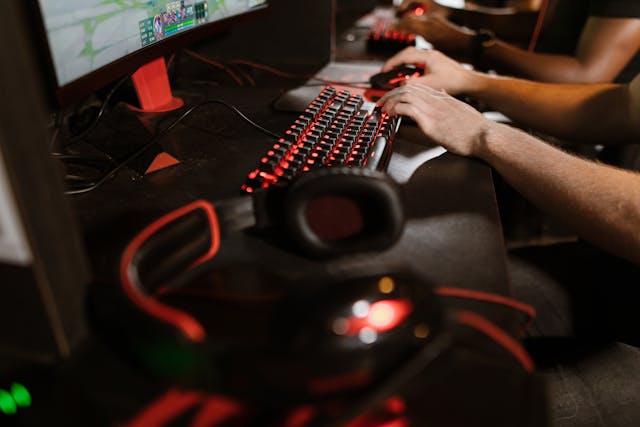
Why Your Product Should Function as a Game, Not a Tool
Most products help you complete a task, reduce friction, and save time, which all has value of course, but it rarely creates attachment. In other words, a tool gets used when you need it, but a game earns a place in your daily life and that difference shows up clearly in products people return to without being asked. You can probably see this in your own behavior. You open some apps because you have to, and others because you want to. The pull does not come from usefulness alone, but from structure, feedback, and a sense that you are moving forward. In other words, it comes from game mechanics. Concrete mechanics If you want your product to feel more like a game, you need clear systems that guide how people behave. A progression system is one of the simplest ways to d...