

Ask any man why he hasn’t sorted out his health insurance yet, and you’ll hear the same things. Too busy. Will do it next month. Already have something through the office. Doesn’t feel urgent right now.
Then something happens. A colleague gets hospitalised. A friend gets a scary diagnosis. Suddenly, it feels very urgent.
The problem with buying insurance in a rush is that you don’t think properly. You pick whatever looks affordable and move on. And then when you actually need it, the plan turns out to be weaker than you thought.
There’s a better way to go about this. Before comparing any plan, check your BMI. Most men never think to do this. But it genuinely changes what you look for.
What a BMI Calculator for Men Actually Tells You
BMI is Body Mass Index. It’s a number based on your height and weight.
Go to any health website and search for a BMI calculator for men. Enter your weight in kilograms and your height in centimetres. Done. Your number appears in seconds.
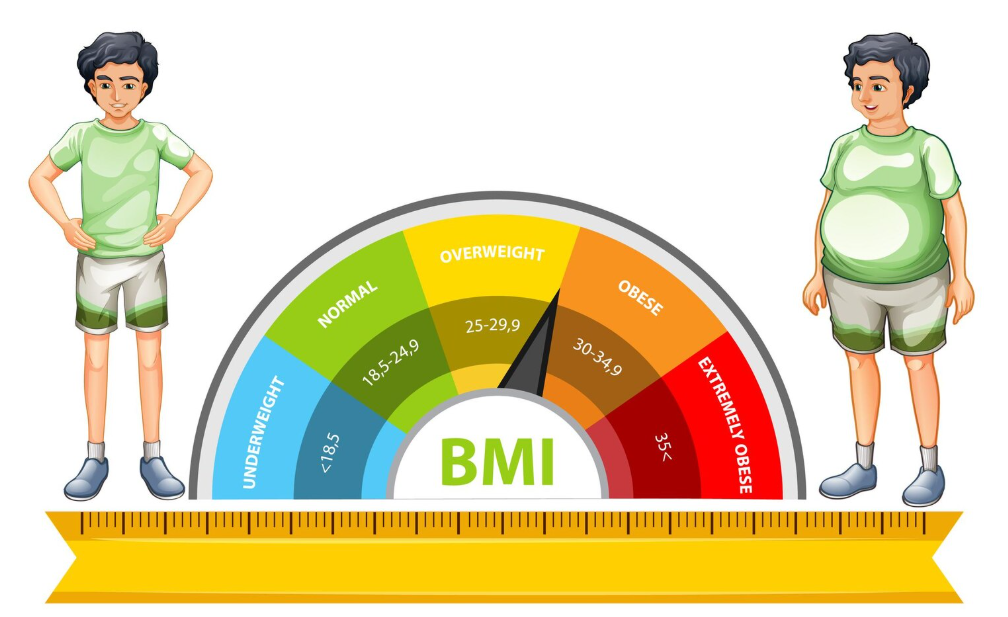
What the number means:
- Below 18.5 – Underweight
- 18.5 to 24.9 – Normal
- 25 to 29.9 – Overweight
- 30 and above – Obese
Here’s something most people don’t know. Men and women carry extra weight differently. In men, excess weight tends to build up around the stomach area. This specific pattern is more strongly linked to heart problems, diabetes, and high blood pressure than weight carried in other parts of the body.
Indian men are particularly vulnerable to this. Research has shown that Indian men develop these conditions at lower BMI levels compared to men in Western countries. So, a BMI of 26 or 27 in an Indian man already carries a meaningful health risk. The number alone doesn’t tell the full story.
This is exactly why checking BMI before buying insurance matters. It points you toward the health risks that are actually relevant for your body.
How BMI Quietly Affects Your Insurance
When you apply for health insurance, the company goes through your health details before deciding on your premium. Your BMI is part of that picture.
A higher BMI means a statistically higher chance of developing lifestyle diseases later. Insurers factor this in. Two men of the same age applying for identical coverage can walk away with different premiums just because their BMI numbers are different.
It also affects other things. Whether you need a medical check-up before the policy is approved. How long is the waiting period for certain conditions? Sometimes, it is even unclear whether specific conditions are covered in the first year at all.
None of this is a dealbreaker. But knowing your BMI before you start shopping means you’re not caught off guard by any of it.
What Is a 1 Crore Health Insurance Plan
It’s a plan where the insurer will cover your medical treatment up to one crore rupees in a year. You pay an annual premium to keep that cover active.
A 1 crore health insurance premium sounds like overkill to a lot of people. It didn’t used to be necessary. But medical costs in India have changed quite a bit in recent years.
A serious cardiac surgery in a private hospital in any major Indian city can cost between fifteen and thirty lakhs. Cancer treatment across multiple rounds can go well beyond fifty lakhs. An extended ICU stay alone runs into several lakhs. For anyone living in a metro city and relying on private hospitals, smaller cover amounts can get exhausted faster than expected.
Men above 35, men with BMI in the overweight or obese range, and men with a family history of heart disease or cancer are exactly the people who should ask themselves whether five lakhs or ten lakhs is actually going to be enough.
What Pushes Your Premium Up or Down
Your premium is not a random number. These are the things that actually move it:
- Age: The younger you are, the less you pay. Simple and consistent across every insurer.
- BMI: Higher BMI means a higher premium in most cases.
- Existing health conditions: Diabetes, blood pressure, thyroid, and anything you already have increase the cost and usually bring a waiting period.
- Smoking: Smokers consistently pay more. Sometimes significantly more.
- Family health history: Parents with early heart disease or cancer affect how some insurers assess your risk.
- Where do you live: Metro cities have higher treatment costs. Premiums reflect that.
- How much coverage do you choose: More coverage means more premium. Though the increase isn’t always proportional.
Using Your BMI to Compare Plans Properly
Start by checking your BMI. Write the number down.
Then think about your health honestly. Any existing conditions? Any family history worth noting? Is your BMI already in the overweight range? This shapes what you need from a plan.
Before opening any comparison website, write a short list of what matters to you. Things like coverage for lifestyle diseases, cardiac conditions, pre-existing illnesses, and annual check-ups. That list becomes your filter.
When you look at plans, check these things before anything else:
- Waiting period for pre-existing conditions
- Whether lifestyle diseases are covered properly
- Room rent limits are inside the plan
- Which hospitals near you are in the network
Check premiums only after you’ve gone through coverage. Two plans at similar prices can be completely different in what they actually pay for.
Before You Close This Tab
If your BMI is already high, don’t use that as a reason to delay. It’s actually a stronger reason to buy sooner. Waiting makes premiums higher and options narrower.
Buy when you’re younger if you can. The premium you lock in stays fixed through the policy in most cases.
And fill your application honestly. Every condition, every detail. A hidden condition that surfaces during a claim can get it rejected entirely. Your family deals with that at the worst possible time.