

Car culture loves power. It always has. But brute force alone is not enough anymore. The high-performance engine is evolving. It is no longer just a metal monster. It is a sophisticated, adaptable platform.
These engines are technological testbeds. They push the limits of materials, efficiency, and control. Their influence ripples across the entire industry. They shape what is possible in every vehicle. Let us dive into the modern role of the performance powerplant.
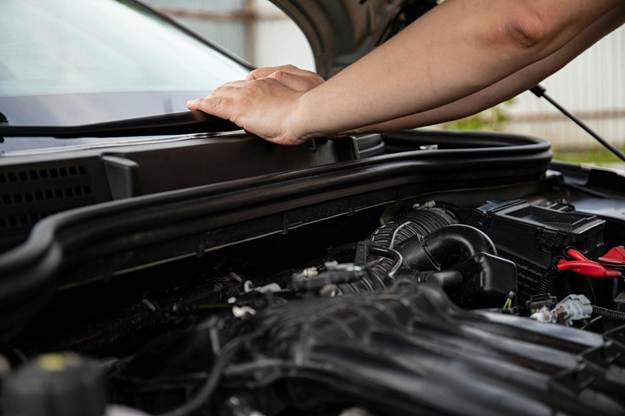
The Modern Performance Blueprint
Today’s high-performance engines are not one-off experiments. They are carefully engineered platforms. These designs are scalable and modular. This allows them to serve multiple roles. The same basic architecture might power a luxury SUV. It could also sit in a lightweight sports car. This platform approach saves development costs.
It also accelerates innovation. A great example is the GM LT family. The 6.2 Chevy engine from this family is a modern performance icon. It powers the legendary Corvette C8. It also provides effortless muscle in trucks like the Silverado. This shows a single high-performance platform delivering thrilling speed and robust utility. The same core engineering serves two completely different masters.
The Material Science Lab
Performance engines are laboratories for new materials. They face extreme heat and stress. This demands innovative solutions. Aluminum blocks with pressed-in iron liners are common. Forged steel crankshafts handle immense forces. Titanium connecting rods reduce weight in the most critical areas.
Some supercar engines even use exotic alloys with names like “Inconel” for exhaust valves. These materials are incredibly expensive. They debut in halo performance engines. Over time, the knowledge and manufacturing processes trickle down. They make their way into more affordable engines. The performance sector pays for the research. The entire industry benefits from the results.
The Efficiency Paradox
People think performance means waste. This is outdated. Modern high-performance engines are efficiency champions. They must be. Generating huge power from a small package requires brilliant engineering. Technologies like direct fuel injection and variable valve timing started in performance cars. Cylinder deactivation is now common in large V8s.
Even hybrid systems are joining the party. Hypercars pair tiny, turbocharged engines with powerful electric motors. This combination delivers insane power with surprising efficiency. The performance world proves you can have your cake and eat it too. It pushes the boundaries of what an internal combustion engine can achieve per liter of fuel.
The Electronic Nervous System
Raw power is useless without control. Modern performance engines are governed by incredibly sophisticated software. The engine control unit (ECU) manages thousands of parameters. It adjusts spark timing a hundred times a second. It modulates fuel delivery with laser precision.
This electronic brain enables features like launch control and variable exhaust modes. It also protects the engine from damage. This deep software integration is a hallmark of the modern performance platform. The engine is a hardware component. Its soul is digital code.
The Sound Engineering
Performance is not just about numbers. It is about emotion. Sound is a huge part of that. Engineers do not leave exhaust notes to chance. They tune them. Active exhaust systems use valves to change the sound profile. A car can be quiet in a neighborhood. It can roar on a track.
The acoustic signature becomes a branded experience. The bark of a high-revving V8 or the whistle of a turbo is engineered. It is as deliberate as the shape of the cylinder head. This sensory design is a key part of the performance platform’s appeal.
Driving the Aftermarket and Tuner Culture
High-performance platforms are the heart of a massive ecosystem. Their popularity fuels the entire aftermarket industry. Tuners develop software and hardware for more power. Companies build supercharger kits and turbo upgrades.
This culture of modification extends the life and excitement of a platform. It creates community. It also provides real-world stress testing. The aftermarket finds the limits of the factory design. This feedback can influence future engineering. The platform becomes a living, evolving entity.

The Bridge to an Electrified Future
Some see high-performance engines as dinosaurs. They are wrong. These platforms are actually bridges. Hybrid performance is the clearest path forward. Pairing a responsive, high-revving engine with instant electric torque creates a new kind of power. It is seamless and devastatingly quick.
This hybrid approach keeps the emotional engagement of a great engine. It also embraces the efficiency and capability of electric motors. The performance sector is showing how old and new technologies can combine. The result is better than either one alone.
The Ultimate Teacher
In the end, high-performance engine platforms are the industry’s ultimate teachers. They force engineers to solve impossible problems. They test new ideas under extreme duress. The lessons learned here—about heat management, friction reduction, and software control—filter down to every car on the road.
Your efficient family sedan is better because of what was learned building a 700-horsepower supercar engine. The performance platform is not a sideshow. It is the main stage for automotive innovation. It shows us what is possible next.