

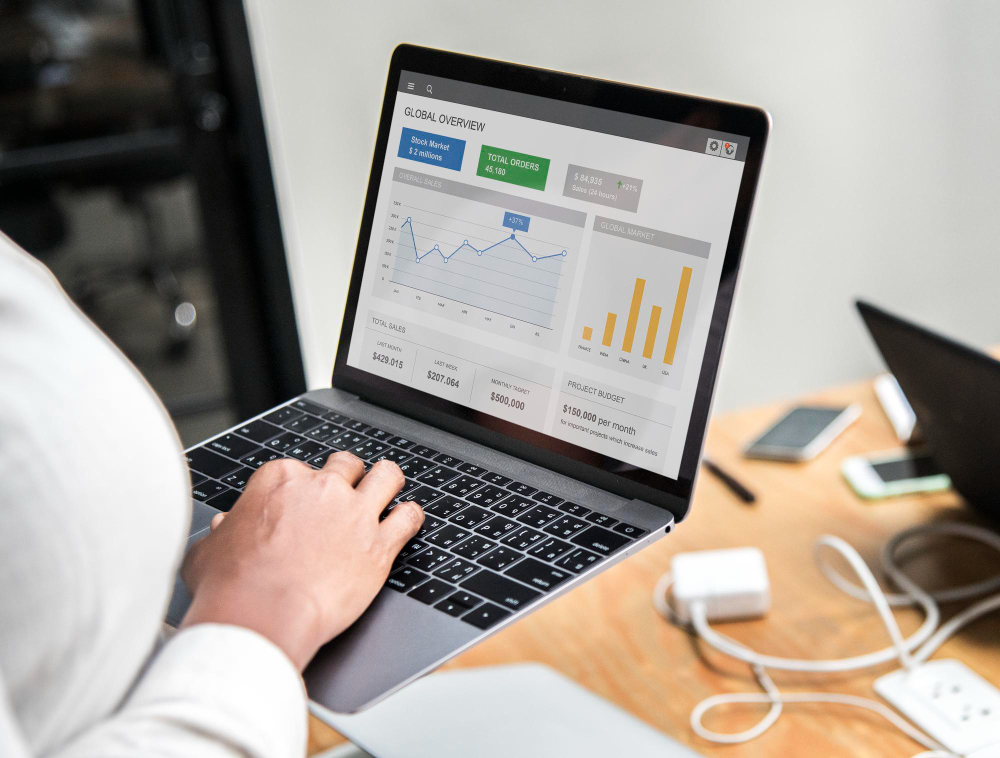
While many businesses spend time and money on SEO, many don’t realize that they need to measure whether it is working or not. There is no doubt that staying on the top list of search engines is important for being seen, but it is important to note that ranking is not everything that matters when it concerns the success of Canton search engine optimisation. For the growth, businesses have to consider a long term approach and to achieve this, they have to keep check on the right metrics and have decisions on the basis of data.
Organic Traffic:
One of the most important SEO metrics to be tracked is the Organic traffic. It refers to the individuals that visit your webpage via non-paid search engine outcomes. When organic traffic increases, this can be a sign that your website is gaining visibility in organic search results. This is a valuable measure to understand if a business’ content, keywords and optimization strategies are drawing in a greater number of prospective customers with increased time.
Click-Through Rate (CTR):
Click through rate refers to the percentage of users that click on your website when they are viewing the result page of th search engine. Not always is high ranking associated with clicks. When you title tags and meta descriptions are not attractive enough, then this could result in low clicks. You can make these better to attract more visitors for your website, but you don’t need to acquire high ranking for them.
Conversion Rate:
However, just having traffic doesn’t mean that it will work. Conversion rate is the most important metric for measuring the success of a website traffic campaign, it’s the percentage of people who took a specific action from your website such as filling out a contact form, purchasing something, subscribing to a newsletter, or asking a quote. This is a metric which directly relates SEO performance to business results.
Backlink Profile:
Backlinks are links from other web pages that lead to your page. They are still one of the most effective SEO ranking factors. Every business should monitor the amount of relevant backlinks that their website has, their quality and how it contributes to their website’s authority and credibility. A good backlink profile can impact search engine optimisation and boost trust in search engines.
Page Load Speed:
The speed of the website affects the users’ experience as well as SEO rank performance. A slow-down websites will not have a good reputation among visitors and you shouldn’t expect it to be a part of the websites listings.
Careful tracking of load times enables observation of potential technical problems impacting performance. There will be low bounce rates when the webpage is fast as well as there will be enhanced engagement and better visibility in the search engines.
Indexed Pages:
Indexed pages are webpages which search engines were able to search and successfully add to their database. Unimportant pages wouldn’t show up in the search results. When one monitor the indeced pages rightly, and on a routine basis, he or she can make sure that the website is being crawled and understood rightly. If there are fast indexation changes it could mean something is wrong with the indexing and should be investigated.
Off-Page Optimization Elements:
Domain authority is not a ranking factor, but it’s a good way to gauge the strength of your site in relation to other websites. Visitors are different from audience; keeping an eye on these metrics along with domain authority can assist businesses to know what they’re worth and what areas they should go for growth. By tracking these metrics over time, businesses can assess the success of their SEO strategies and remain competitive in their industry.