

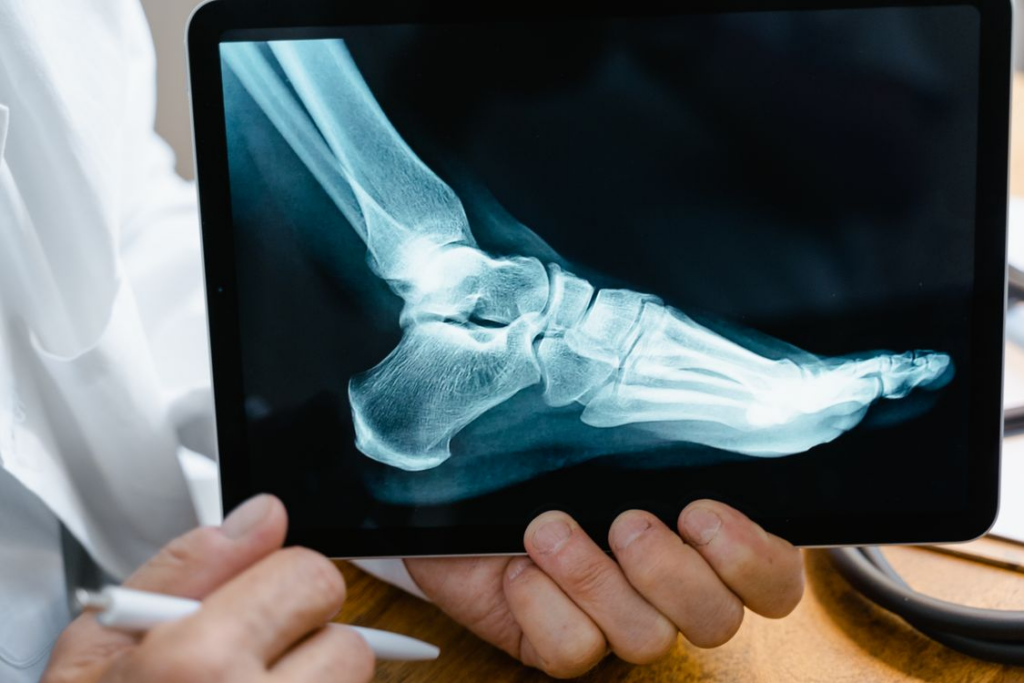
Got hurt on the job?
Workers believe filing a workers’ comp claim is as far as they have to think about the issue. File paperwork, receive medical treatment, get paid some lost wages, end of story.
But here’s the truth…
Workers’ comp doesn’t come close. Most never covers all of an injured workers losses. Plus many times there is a separate entire claim just sitting there no one discusses.
To be clear, BLS data shows 5,070 fatal work injuries in 2024. And that’s just deaths. There were over 2.5 million injury and illness cases reported by private industry employers. That’s millions of employees dealing with medical bills, lost wages, life-altering injuries.
What’s covered in this guide:
- Why Workers’ Comp Has Limits
- When a Premises Liability Attorney Can Help
- Third-Party Claims Explained
- Common Scenarios That Trigger Extra Claims
- Steps To Take After A Workplace Injury
Why Workers’ Comp Has Limits
Workers’ compensation is designed as a no-fault system. Even if the worker was partly responsible for their accident, they are still compensated. However they do forfeit their right to sue their employer for negligence.
Sounds fair, right? Not always.
Here’s what workers’ comp usually covers:
- A portion of lost wages (often around two-thirds)
- Medical bills tied to the injury
- Some rehab costs
- Limited disability payments
And here’s what it doesn’t cover:
- Pain and suffering
- Full lost income
- Loss of enjoyment of life
- Punitive damages
That difference is enormous. A worker who sustains a career-ending back injury can leave workers’ comp thousands of dollars short.
When a Premises Liability Attorney Can Help
This is where things get interesting.
A premises liability lawyer takes on cases in which an individual becomes injured because a property owner did not maintain a safe environment on their property. Now you might not believe this, but this is applicable in workplace injuries all the time.
For example, a delivery person falls on an icy sidewalk outside of a customer’s office building. Or a contractor falls through a decaying deck while making repairs. Or perhaps a nurse stumbles over dangling cords during a house call.
In some cases, the injured worker may be able to file BOTH a workers’ comp claim as well as a premises liability claim against the property owner whose negligence contributed to the accident. Consulting with knowledgeable LegalGenius Southfield injury lawyers early can help an employee understand which claims are available and how to properly stack them so as not to jeopardize either claim.
A solid premises liability case boils down to one question:
Was the property owner aware (or should have been aware) of the hazard and did he/she fail to correct it?
If so, then you may have a legitimate claim…. outside of workers’ compensation.
Third-Party Claims Explained
Premises liability is only one form of third party claim. Here are a few others you should know about.
A third party claim is a workers compensation lawsuit against someone other than the employer who played a role in the accident or injury at work.
The most common third parties include:
- Property owners (premises liability)
- Equipment manufacturers (product liability)
- Subcontractors on a job site
- Other drivers in work-related crashes
- Negligent vendors or service providers
Why should you care? Because third party claims can help you recover damages that workers comp will never cover. Full lost wages, pain and suffering, emotional distress, permanent disability, etc.
Per recent BLS reports, transportation and material moving workers suffered 1,391 fatal injuries in 2024. A significant number of those were caused by third party drivers, faulty equipment or an unsafe work environment. Many of those families are left with third party claims they don’t even know about.
That’s a lot of money left on the table.
Common Scenarios That Trigger Extra Claims
Wondering if a specific situation qualifies for more than just workers’ comp?
These are the top workplace situations where a third-party or premises liability claim will likely apply.
Defective Equipment Injuries
If a machine, tool or piece of safety equipment breaks and injures you, the maker could be held responsible. This would be called a product liability claim and is wholly separate from workers’ comp.
Construction Site Accidents
Construction sites are bustling places with subcontractors/vendors and property owners roaming around. When one of them is negligent (poor scaffolding, missing safety rails, uncovered hazards) they can be liable. 1,032 Construction & Extraction workers were killed on the job in 20 24.
Slip and Fall Injuries On Third-Party Property
This is the quintessential premises liability case. In 2024 slips, trips, and falls caused 844 fatal work injuries. If the hazardous condition was on property not owned by the injured worker’s employer, then premises liability principles come into play.
Vehicle Accidents While Working
Workplace crashes also introduce the other driver as a defendant. Workers comp will cover medical expenses, but a personal injury claim against the negligent driver allows for greater recovery.
Toxic Exposure From Third Parties
When a chemical supplier, manufacturer, or outside contractor is responsible for your exposure to dangerous chemicals, you can sue that party directly and still receive workers comp benefits.
Steps To Take After A Workplace Injury
OK. Now to the part about what to do next when something happens.
Here’s a quick checklist:
- Report the injury to the employer immediately
- Get medical treatment and keep every record
- Take photos of the scene if possible
- Grab contact details for any witnesses
- File the workers’ comp claim
- Talk to a lawyer about possible third-party claims
The biggest mistake injured workers make? Believing workers’ comp is their only option. By the time they learn of other potential claims, the statute of limitations has expired or evidence has vanished.
Don’t let that happen.
Most attorneys offer free consultations for personal injury cases. These consultations can reveal lawsuits worth considerably more than your workers’ comp payout, by itself.
Final Thoughts
Workers’ comp is meant to be a safety net, not a ceiling.
When someone other than yourself is responsible. When a property owner failed to address a dangerous condition. When a defective product caused your injury…you can usually recover more. The key is knowing where to look and being timely.
To recap quickly:
- Workers’ comp covers the basics but leaves big gaps
- Premises liability claims kick in when a property owner is at fault
- Third-party claims unlock pain and suffering plus full lost wages
- Several workplace scenarios qualify for extra claims beyond comp
- Document everything and ask a lawyer early
Getting hurt on the job can upend a worker’s life in an instant. The proper legal approach ensures that financial repercussions don’t compound the problem.